How to Choose the Right PCD Tooling and Sawing Machine for Your Business?
Precision, productivity, and consistent cutting performance are essential in modern manufacturing and woodworking. Businesses working with wood, composite materials, plastics, aluminum, and other materials need reliable cutting solutions that can deliver accurate results while reducing downtime. Two important solutions worth considering are PCD tooling and a high-quality sawing machine.
Choosing the right tooling and machinery can improve cutting efficiency, product quality, tool life, and overall production performance. Understanding your application and selecting suitable equipment can therefore make a significant difference.
What Is PCD Tooling?
PCD, or polycrystalline diamond, tooling uses diamond-based cutting edges designed for demanding applications. PCD tools are known for their hardness, wear resistance, and ability to maintain cutting performance over extended production cycles.
These tools can be particularly useful when working with abrasive materials such as engineered wood, laminates, composites, and certain non-ferrous materials. Compared with conventional cutting tools, suitable PCD tooling can provide longer service life and consistent cutting results in high-production environments.
When selecting PCD tools, consider the material being processed, cutting speed, feed rate, machine specifications, and required finish.
Why Is PCD Tooling Important?
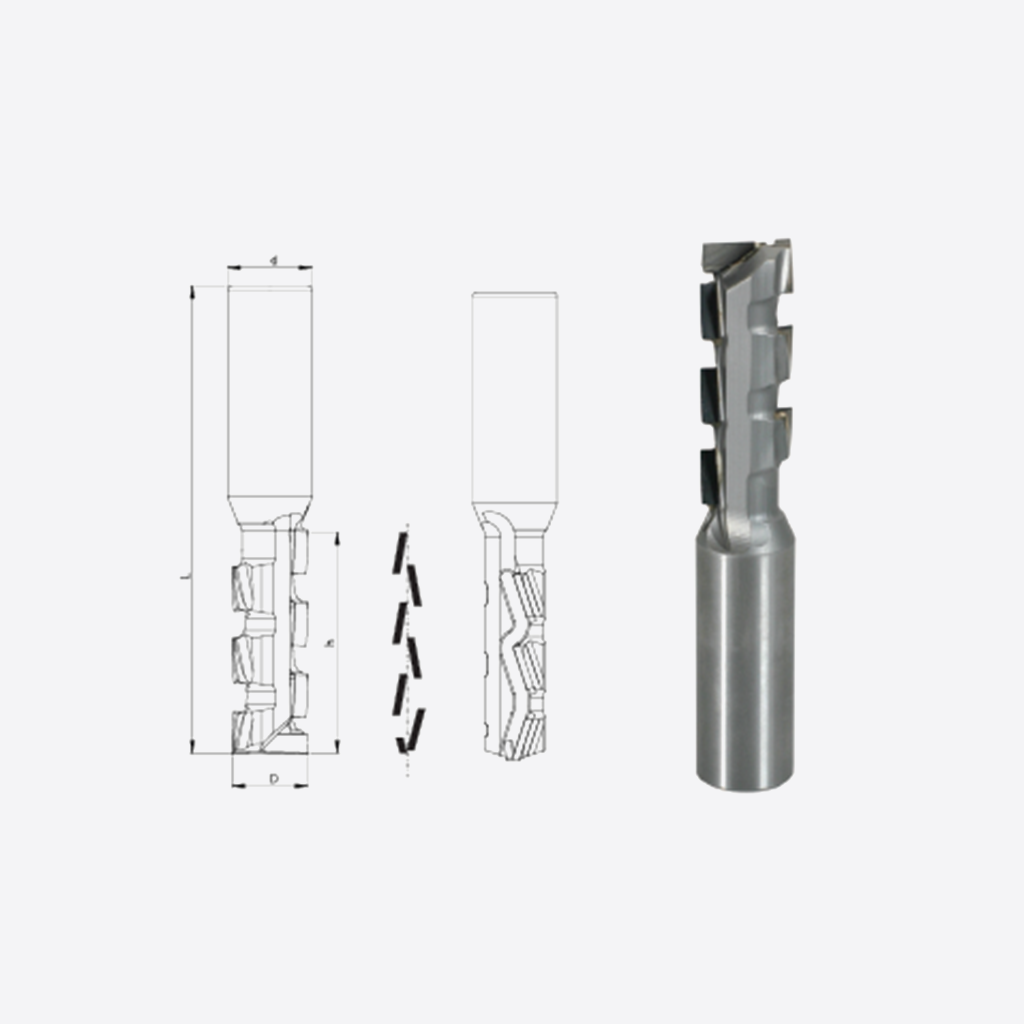
Tool durability can directly affect production efficiency. Frequent tool changes can increase downtime and interrupt manufacturing schedules. PCD tooling can help reduce these interruptions when used correctly for appropriate applications.
Another advantage is consistency. A durable cutting edge can help maintain dimensional accuracy and surface quality throughout production.
Saws and Cutting Tools Direct provides cutting tool solutions for professional applications where accuracy, durability, and dependable performance are important considerations.
What Is a Sawing Machine?
A sawing machine is designed to cut materials into specific shapes and dimensions using a saw blade or cutting system. Different machines are available for applications involving wood, metal, plastics, composites, and other materials.
The right machine depends on the type of material, required cutting capacity, production volume, accuracy requirements, and available workspace.
Before purchasing a sawing machine, consider factors such as motor power, blade size, cutting capacity, speed control, safety features, and maintenance requirements.
How to Choose the Right Sawing Machine?
Start by identifying the materials you need to cut. A machine designed for metal cutting may have different specifications from one intended for woodworking applications.
Production volume is another important factor. A business handling continuous production may require a more powerful and automated machine, while occasional cutting applications may only require a simpler setup.
Accuracy should also be considered. If your manufacturing process requires precise dimensions and repeatable cuts, look for machinery designed to provide consistent results.
Match Tooling With Your Application
The performance of cutting equipment depends heavily on selecting the right blade or tooling for the material and application. Using unsuitable tooling can lead to poor finishes, excessive wear, overheating, or reduced productivity.
PCD tooling can be beneficial for specific high-wear applications, while different saw blades may be better suited for other materials and cutting requirements.
A professional cutting-tool supplier can help you understand the available options and select products based on your machine and production requirements.
Consider Maintenance and Operating Costs
The initial purchase price should not be the only factor when comparing cutting tools or machinery. Consider tool life, replacement frequency, maintenance, energy consumption, downtime, and overall productivity.
A durable tool that costs slightly more initially may provide better long-term value if it reduces replacement frequency and maintains consistent performance.
Regular cleaning, inspection, correct machine setup, and proper operating procedures can also help extend equipment life.
Invest in Reliable Cutting Solutions
Choosing the right PCD tooling and sawing machine can help businesses improve production efficiency, accuracy, and consistency. Start by understanding your material, cutting requirements, production volume, and machine specifications.
Saws and Cutting Tools Direct offers cutting solutions designed for professional and industrial applications. Selecting suitable tools and machinery can help manufacturers achieve reliable results while managing operational costs.
Whether you need advanced PCD tooling for demanding materials or a suitable sawing machine for accurate cutting, investing in the right equipment is an important step toward improving productivity. With proper selection, maintenance, and operation, quality cutting tools can support consistent performance and long-term manufacturing efficiency.


Comments
Post a Comment