Why Are Annular Cutters and Bandsaw Blades Essential for Precision and Productivity?
In metalworking, fabrication, and industrial manufacturing, the quality of your cutting tools directly impacts efficiency, accuracy, and overall output. Among the most important tools in this space are annular cutters and bandsaw blades. These tools are widely used across construction sites, workshops, and heavy industries for their ability to deliver clean, fast, and precise cuts. But what makes them so valuable, and how can choosing the right ones improve your workflow?
What Are Annular Cutters and How Do They Work?
Annular cutters, often referred to as core drills, are specialized cutting tools designed to create precise holes in metal. Unlike traditional twist drills that remove the entire material within the hole diameter, annular cutters remove only a ring of material, leaving behind a solid core or slug. This design makes them significantly more efficient and faster in comparison to standard drill bits.
Because they cut only the periphery of the hole, annular cutters require less force and generate less heat. This results in smoother cuts, reduced wear on machinery, and longer tool life. They are commonly used with magnetic drills and are ideal for structural steel, stainless steel, and other hard metals.
Their precision and speed make them essential in industries such as steel fabrication, bridge construction, shipbuilding, and heavy engineering.
What Are Bandsaw Blades Used For?
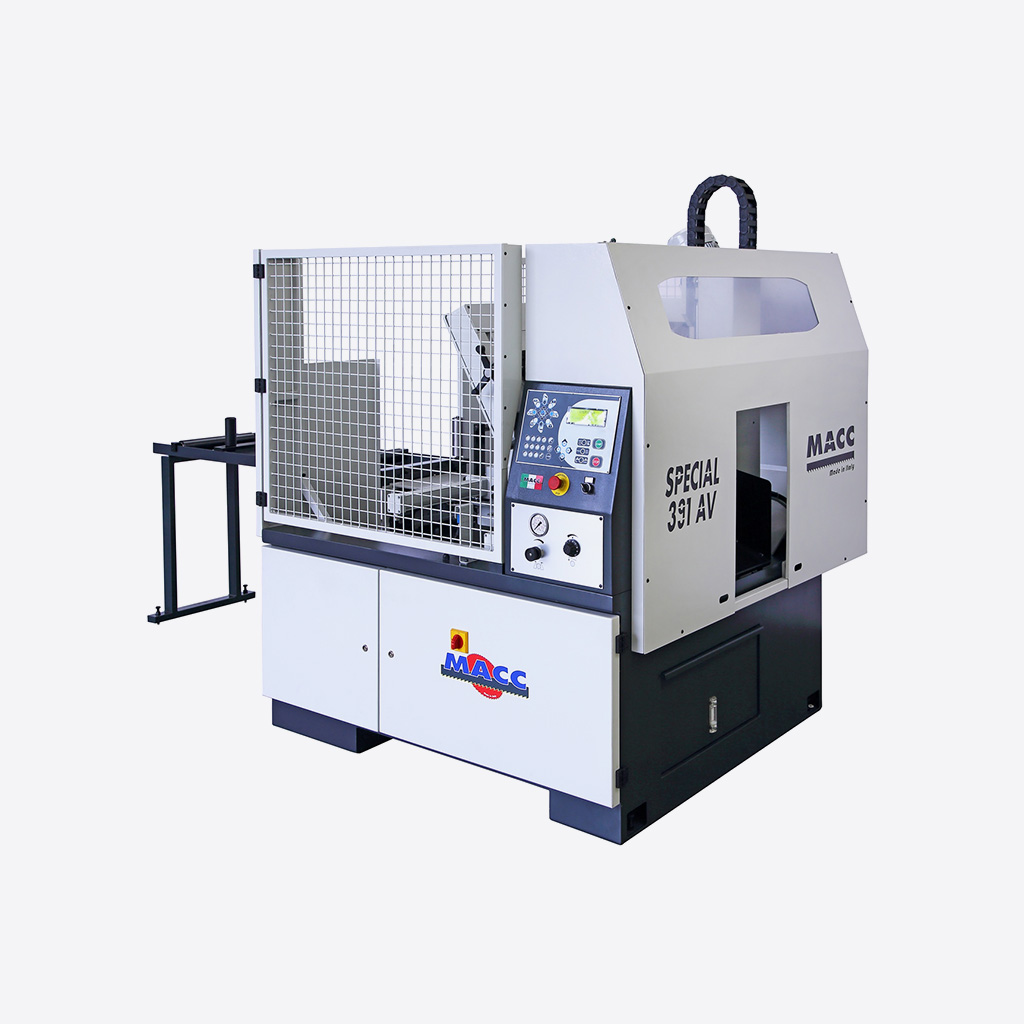
Bandsaw blades are continuous loops of toothed metal designed for cutting various materials, including metal, wood, plastic, and composites. These blades are mounted on bandsaw machines and operate with consistent motion, providing smooth and controlled cutting action.
In metalworking applications, bandsaw blades are commonly used for cutting bars, pipes, structural beams, and solid metal sections. Their versatility allows them to handle both straight and curved cuts, depending on the machine and blade configuration.
The performance of a bandsaw blade largely depends on its material composition and tooth design. Bi-metal blades, for example, combine a flexible backing with hardened teeth for durability and resistance to wear. Carbide-tipped blades offer even greater hardness and longevity for demanding industrial tasks.
Why Choose Annular Cutters Over Traditional Drill Bits?
There are several advantages to using annular cutters instead of conventional drill bits:
Faster Cutting Speed – Annular cutters remove less material, resulting in quicker hole production.
Greater Accuracy – They produce precise, burr-free holes with minimal finishing required.
Improved Efficiency – Less energy consumption and reduced strain on drilling equipment.
Longer Tool Life – Lower heat generation helps maintain sharpness for extended periods.
Cleaner Work Environment – The solid slug left behind simplifies material handling.
For projects that require repetitive hole drilling in thick metal plates or structural steel, annular cutters significantly enhance productivity and consistency.
How Do Bandsaw Blades Enhance Cutting Performance?
Bandsaw blades are designed for continuous cutting, which makes them ideal for high-volume operations. Their benefits include:
Smooth and Clean Cuts – Reduced vibration results in minimal material distortion.
Versatility – Suitable for a wide range of materials and thicknesses.
Cost-Effectiveness – Durable designs reduce frequent replacements.
Precision Control – Adjustable speeds and feed rates improve cutting accuracy.
Selecting the right tooth pitch (TPI – teeth per inch) is crucial. Finer tooth pitches work best for thin materials, while coarser pitches are more suitable for thicker sections. Matching the blade to the material ensures optimal performance and reduces the risk of premature wear.
What Factors Should You Consider When Buying Annular Cutters?
When choosing annular cutters, consider the following:
Material Compatibility – High-speed steel (HSS) cutters are suitable for general use, while cobalt or carbide-tipped cutters handle tougher alloys.
Cutting Depth – Ensure the cutter matches the required hole depth.
Shank Type – Verify compatibility with your magnetic drill or drilling machine.
Coating – Advanced coatings can enhance durability and reduce friction.
Proper lubrication during use also plays a key role in maintaining cutter performance and extending lifespan.
What Should You Look for in Quality Bandsaw Blades?
To maximize cutting efficiency, evaluate these factors:
Blade Material – Bi-metal blades are ideal for metal cutting; carbon steel blades are suitable for wood.
Tooth Geometry – Variable tooth patterns reduce vibration and improve cutting consistency.
Blade Width and Thickness – These affect cutting stability and curve capability.
Application Type – Heavy-duty industrial tasks require stronger, heat-resistant blades.
Regular blade maintenance, proper tensioning, and correct machine settings are equally important for optimal results.
Why Investing in High-Quality Cutting Tools Matters
In industrial environments, downtime and tool failure can lead to significant losses. Choosing premium annular cutters and bandsaw blades ensures reliable performance, enhanced safety, and consistent results. While high-quality tools may involve a higher initial cost, they often prove more economical in the long run due to durability and efficiency.
Precision cutting is not just about completing tasks—it is about delivering accurate results, minimizing waste, and maintaining productivity. Whether you are drilling structural steel or cutting metal bars to size, the right annular cutters and bandsaw blades can make a substantial difference.
Final Thoughts
Annular cutters and bandsaw blades are indispensable tools in modern metalworking and fabrication industries. Their ability to deliver precision, speed, and durability makes them vital for professionals who demand consistent performance. By selecting the right specifications and maintaining them properly, you can significantly enhance your operational efficiency and overall output quality.


Comments
Post a Comment